How to Choose the Right Solar Panel for Your Home in Pakistan
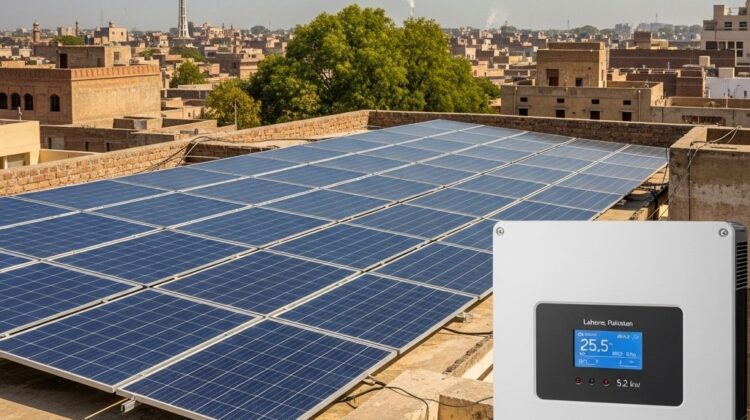
Feeling overwhelmed by rising electricity bills and frequent power outages? You’re not alone. More and more Pakistani homeowners are turning to Solar Panel energy as a reliable and cost-saving solution. But with dozens of companies offering different types of panels, how do you ensure you’re making the best investment for your home?
This comprehensive guide will walk you through the essential steps—from calculating your needs to comparing panel technologies—to help you make an informed decision that maximizes your savings and energy independence for decades to come.
Step 1: Solar Panel Assess Your Energy Needs and Rooftop
Before looking at panels, start with two fundamentals: your electricity consumption and your available space.
- Calculate Your Electricity Usage: Check your past electricity bills to find your average monthly consumption in kilowatt-hours (kWh). For example, if your average bill shows 600 kWh, that’s your starting point. This figure is crucial for sizing your system correctly.
- Measure Your Rooftop Space: The size, angle, and shading on your roof directly impact your solar potential. A south-facing roof with minimal shade is ideal. The available area will determine whether you need highly efficient panels or can opt for more economical ones.
Step 2: Understand Your Solar Panel Options
Not all solar panels are created equal. For Pakistani homes, the primary choice is between three main types, with a clear winner for most residential needs.
| Feature | Monocrystalline Panels | Polycrystalline Panels | Thin-Film Panels |
| Efficiency | High (18-22%) | Moderate (15-18%) | Low (10-12%) |
| Appearance | Uniform black color | Blue, speckled look | Thin, flexible sheets |
| Cost | Higher initial cost | More affordable | Lowest initial cost |
| Lifespan & Space | 25-30 years; Best for limited space | 20-25 years; Needs more space | 15-20 years; Not ideal for homes |
| Best For | Most Pakistani homes (top choice) | Large rooftops on a budget | Commercial projects, not homes |
Our Recommendation: For the vast majority of homes in Pakistan, Monocrystalline panels are the best choice. Their higher efficiency means you generate more power from a smaller roof area—a key advantage in urban settings. They also perform better in Pakistan’s high temperatures and have a longer lifespan, making them a superior long-term investment.
Step 3: Choose a Trustworthy Brand and Installer
The quality of the panel and the expertise of the installer are as important as the technology itself.
- Look for Tier-1 Brands: Stick to reputable, globally recognized manufacturers. Top brands readily available in Pakistan include LONGi, JA Solar, Jinko Solar, Canadian Solar, and Trina Solar. These brands are known for consistent quality, high efficiency, and reliable performance.
- Select a Certified Installer: Your installer should be AEDB (Alternative Energy Development Board) certified. They must conduct a professional site survey and have a portfolio of successful projects. A good installer will also handle the critical net metering application process with your local power distribution company (like KE or LESCO), turning your excess solar power into bill credits.
- Demand Strong Warranties: A solar panel is a 25-year investment. Ensure your panels come with a solid product warranty (typically 10-12 years) and a performance warranty (guaranteeing 80-90% output after 25 years). Also, confirm your installer provides a workmanship warranty for the installation itself.
Step 4: Plan Your Budget and Financing
Understanding the costs involved helps you plan effectively.
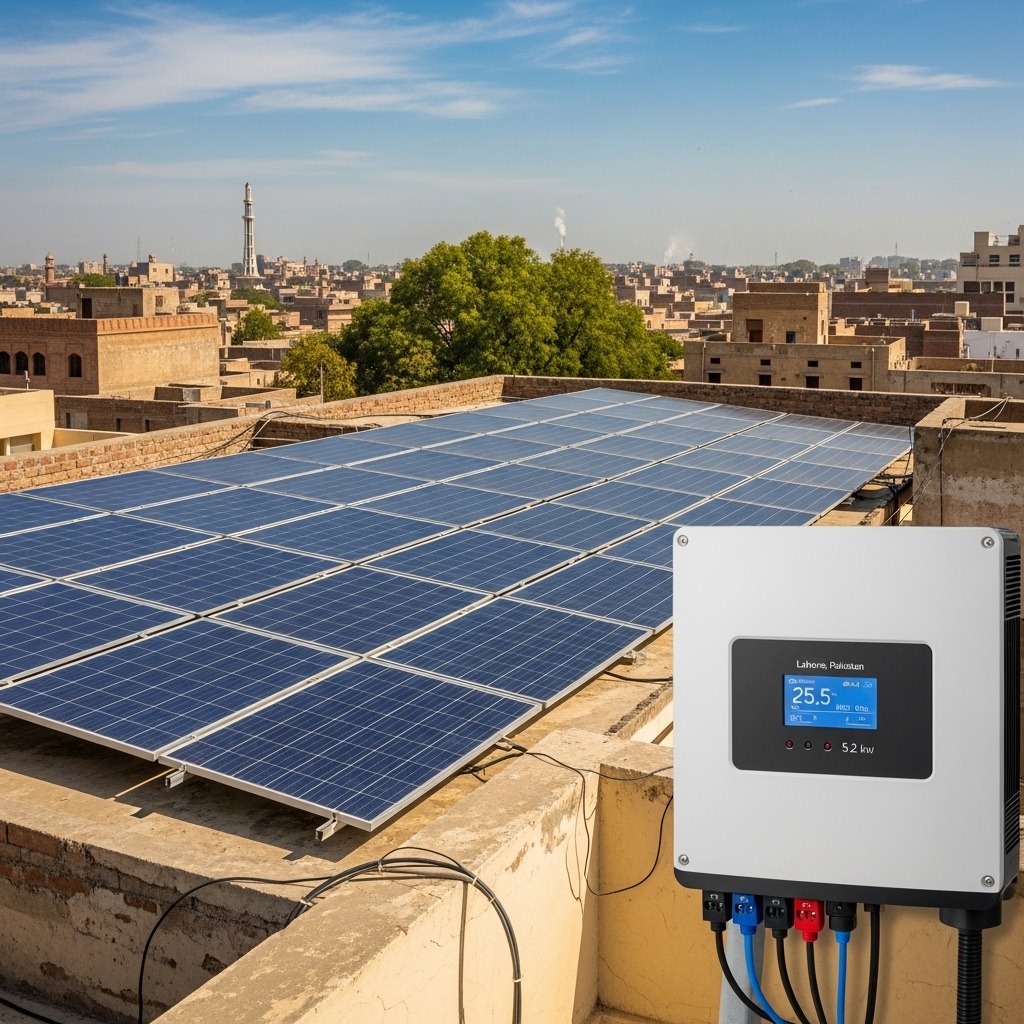
- System Cost Breakdown: The total price depends on system size and components. For a standard 5kW system (suitable for an average home), prices can range from PKR 1.2 to 2.0 million, including panels, inverter, structure, and installation. Remember, opting for a hybrid system with a lithium-ion battery for backup power will increase the cost but provides peace of mind during outages.
- Think Long-Term (ROI): While the upfront cost is significant, view it as an investment. Most systems pay for themselves through electricity savings in 3 to 5 years. With net metering, you can reduce your bills to virtually zero, and the following 20+ years of nearly free electricity are your return.
- Explore Financing: Many Pakistani banks now offer solar financing loans and leasing plans to make the initial investment more manageable.
Key Questions to Ask Your Solar Panel Installer
Before signing a contract, get clear answers to these vital questions:
- “Can you provide a detailed site survey and system design before quoting?”
- “What is the complete breakdown of costs, including all equipment and net metering fees?”
- “What are the specific brand, model, and warranty details for the panels and inverter?”
- “Do you handle the entire net metering application, and what is the expected timeline?”
- “What does your after-sales service and support package include?”
Conclusion: Power Your Home with Confidence
Choosing the right solar panel involves careful planning, but the payoff is immense: dramatic reductions in your electricity bills, reliable backup power, and a major step towards energy independence.
By following this guide—assessing your needs, selecting high-efficiency monocrystalline panels from a top brand, and partnering with a certified, reputable installer—you can confidently invest in a solar system that will power your home efficiently for the next 25 years and beyond.
Frequently Asked Questions
Which solar panel is best for Lahore or Karachi’s hot climate?
Monocrystalline panels are the most efficient choice for Pakistan’s hot weather. They have a lower temperature coefficient, meaning their performance degrades less in high heat compared to other types.
How many solar panels do I need for my home?
It depends entirely on your energy usage. As a general rule, a 5kW system requires approximately 12-15 panels (using common 400W models) and can offset 500-800 kWh of monthly usage. Your installer will calculate the exact number based on your bills.
Do solar panels work during cloudy days or winter?
Yes, they do. While energy production is highest under direct sunlight, modern panels still generate significant power on cloudy days. Interestingly, solar panels often operate more efficiently in cooler temperatures.
What maintenance do solar panels require?
Maintenance is minimal. The primary task is keeping the panels clean from dust and bird droppings, which can be done with water and a soft brush a few times a year. An annual professional check-up is also recommended.