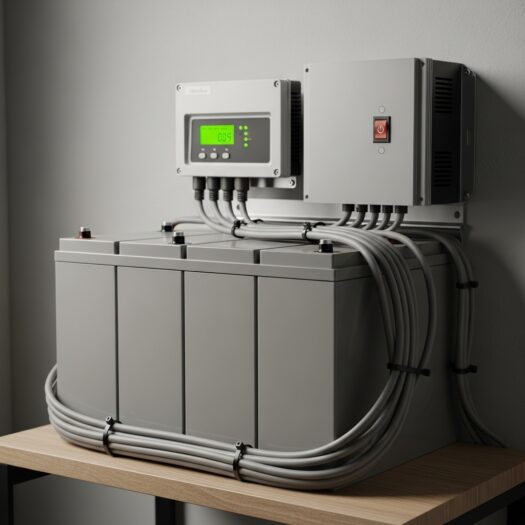
Welcome to your definitive resource for off-grid inverter and charge controllers at Aziz and Co Electronics. This technology is the cornerstone of complete energy independence, allowing you to generate, store, and use electricity anywhere, regardless of grid availability. If you live in a remote location far from utility lines, face extreme and frequent load-shedding, or simply want to build a self-sufficient homestead, a properly designed off-grid system is your ultimate solution.
Unlike grid-tied systems, an off-grid system makes you the master of your own micro-power grid. It requires careful design and the right components, primarily an off-grid inverter and a solar charge controller, working in harmony with your solar panels and battery bank to provide reliable, 24/7 power.
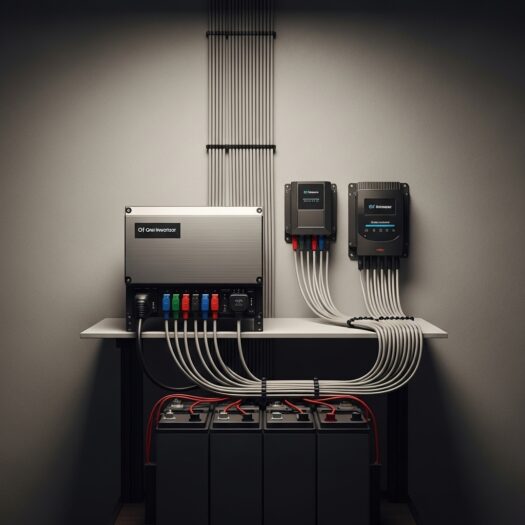
The type of charge controller you choose has a dramatic impact on your system’s efficiency, especially in Pakistan’s climate.
| Type | How It Works | Best For | Efficiency |
|---|---|---|---|
| PWM (Pulse Width Modulation) | A simple switch that connects the solar panels directly to the battery. It pulses the charging to avoid overcharging. | Very small systems, tight budgets, or climates with consistently cool, sunny weather. | Lower (Typically 70–80%). Loses a significant portion of potential solar energy, especially on hot days or when panels are not at perfect voltage. |
| MPPT (Maximum Power Point Tracking) | An intelligent electronic controller that constantly finds and operates at the solar panel’s most efficient voltage, then transforms that power to the optimal voltage for the battery. | Almost all modern off-grid installations in Pakistan. Ideal for large systems, varying weather, or higher panel voltage setups. | Much Higher (Up to 99%). Can harvest up to 30% more energy from the same panels compared to PWM. |
Our Recommendation: For any serious off-grid power need in Pakistan, an MPPT solar charge controller is a worthwhile investment. The increased energy harvest pays for the higher initial cost by allowing fewer panels and delivering reliable power during cloudy days and winter months.
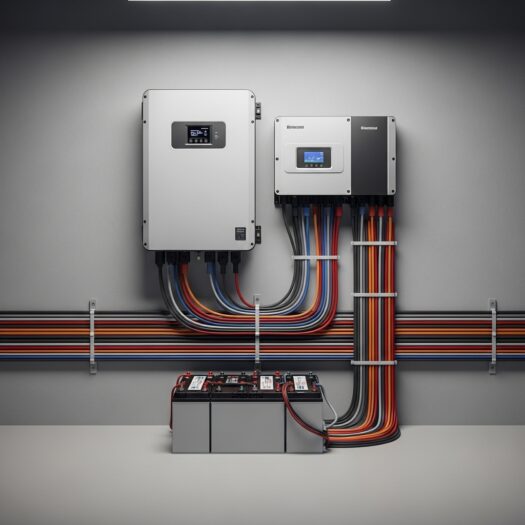
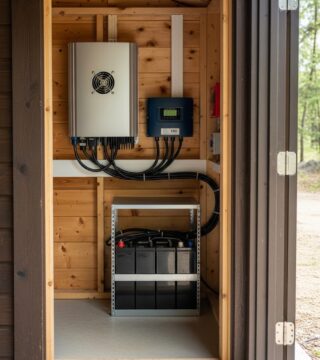
An off-grid system relies on two critical devices that most grid-tied systems do not require. Understanding their roles is key to understanding your system’s reliability.
| Component | Primary Function | Why It's Critical for Off-Grid |
|---|---|---|
| Solar Charge Controller | Regulates the voltage and current coming from your solar panels to your batteries. Prevents overcharging and deep discharging. | Battery Life Protector: Without it, solar panels can destroy a battery bank in days. An intelligent controller is essential to protect your investment. |
| Off-Grid Inverter | Converts DC electricity stored in batteries into usable AC power (220V, 50Hz) for homes and businesses. | Power Compatibility Engine: Makes stored solar energy usable for lights, phones, refrigerators, tools, and other appliances. |
Produce a smooth, clean AC waveform identical to—or better than—grid power. They are the standard for modern off-grid solar systems because they: Safely power all appliances, including sensitive electronics. Run motors (in fridges, pumps, and power tools) more quietly, efficiently, and coolly. Prevent weird glitches and potential damage to equipment.
Produce a choppy, stepped AC waveform. They are cheaper but can cause humming in fans, flickering in lights, and can damage or shorten the life of sensitive electronics like laptops, medical equipment, and inverter ACs. We generally do not recommend these.
We design robust off-grid systems that are sized correctly from the start to avoid failure.
| System Scale | Typical Components | Ideal For | Power Capability |
|---|---|---|---|
| Basic Cabin / Hut System | 800W–1.5kW Panels, 60A MPPT Controller, 2–3kVA Pure Sine Wave Inverter, 400Ah Tubular Battery Bank. | Small remote homes, farm huts, surveillance posts—powering lights, fan, small TV, and phone charging. | Essential lighting and small appliances. |
| Full Home System | 3–5kW Panels, 80–150A MPPT Controller, 5–7kVA Pure Sine Wave Inverter, 10–15kWh Lithium Battery Bank. | A family home seeking full independence. Runs lights, fans, TV, fridge, water pump, and small kitchen appliances. | Most home essentials, with careful load management. |
| Large Home / Farm System | 10kW+ Panels, Multiple MPPT Controllers, 10kVA+ Pure Sine Wave Inverter, 20kWh+ Lithium Battery Bank. | Large homes, remote agricultural processing, or small commercial operations needing robust, all-day power. | Multiple large appliances, including some ACs or welding equipment, with planned use. |
A: Not easily. A standard on-grid inverter cannot function without the grid and cannot manage batteries. To go off-grid, you would need to replace it with a dedicated off-grid inverter and add a charge controller and a large battery bank. It’s more cost-effective to plan for off-grid from the start.
A: We don’t design for “backup days” but for “days of autonomy.” This is the number of cloudy days your system can run without significant sun. For critical locations in Pakistan, we typically design for 2-3 days of autonomy, which involves sizing your battery bank and solar array accordingly.
A: Proper sizing and energy discipline. An off-grid system has finite energy from the sun and batteries. Oversizing is costly, and undersizing leads to failure. We perform meticulous energy audits. Users must also be mindful of their consumption, especially during prolonged cloudy periods.
A: Yes. We offer annual maintenance contracts that include remote system monitoring (where internet is available), scheduled site visits for inspection, and emergency support. Keeping batteries healthy and connections tight is vital for long-term reliability.